The word “safari” originally comes from Swahili, the most widely spoken language in East Africa. It is derived from the Arabic word safar, which simply means “journey” or “travel.”
In Swahili, “safari” means a journey, trip, or expedition.
Only later did the term become known around the world and evolve into the meaning we associate with it today: observing wildlife in its natural habitat.
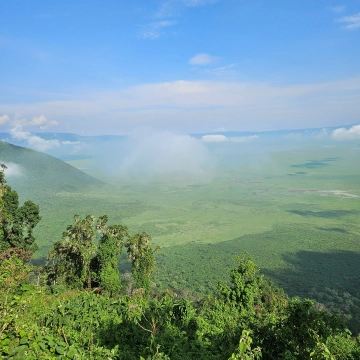
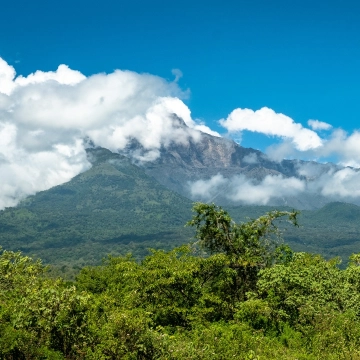
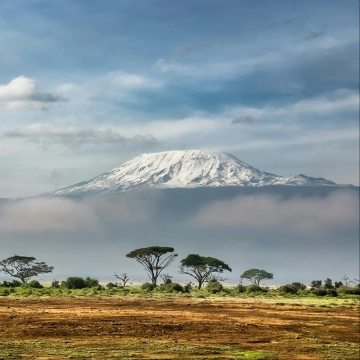
So when you go on a safari, you are actually doing exactly what the word originally described, embarking on a journey through some of East Africa’s most breathtaking landscapes.
When you travel to Tanzania on safari for the first time, you probably have the same questions as many before you:
Do you have to get up early every day? Will you be sitting in a jeep for hours? And how close do elephants, lions, and giraffes really come?
The good news: A day on safari is much more varied, relaxed, and exciting than many expect. To give you a better idea, we'll take you through a typical day on safari with African Sunrise Expedition.
Even before the sun rises, your day begins at your lodge or camp. The air is pleasantly cool, bird songs fill the dawn, and the first rays of sunlight bathe the savannah in a warm light.
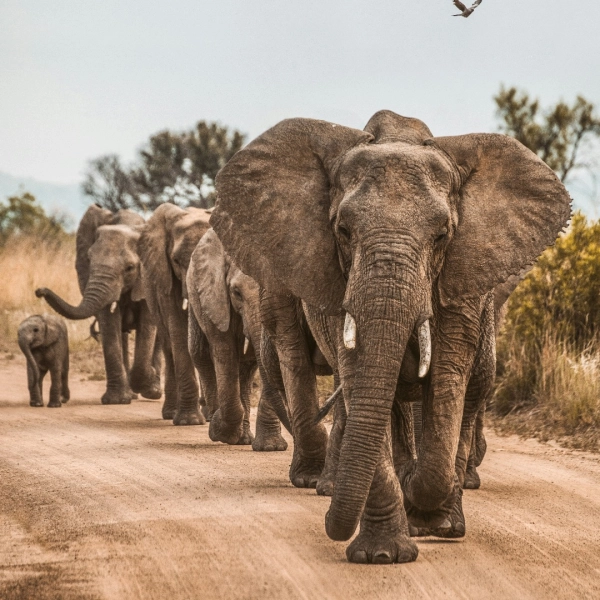
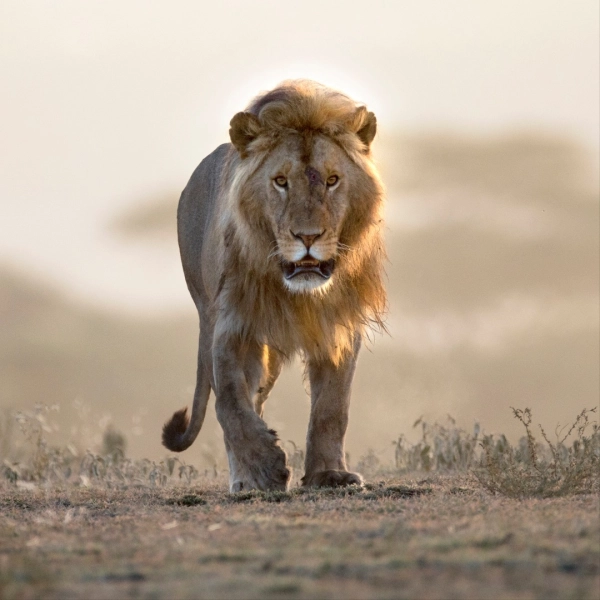
On our safaris, we usually set out early. The reason is simple: Many animals are particularly active in the morning hours. Lions return from their nocturnal prowls, elephants roam the landscape, and numerous antelopes take advantage of the cool temperatures before the midday heat sets in.
Even the first few kilometers can provide unforgettable moments.
After the initial exciting animal sightings, a hearty breakfast follows.
Depending on the schedule, you'll enjoy this either at your lodge or as a picnic in the heart of nature. While sipping your coffee, your gaze wanders over the endless plains of Tanzania.
Many of our guests later recount that these quiet moments between game drives are among their fondest memories.
Now begins the next stage of the safari.
Our guides are at home in the national parks. They not only know the best viewing areas but also regularly communicate with other guides to exchange current animal sightings.
Every day unfolds differently.
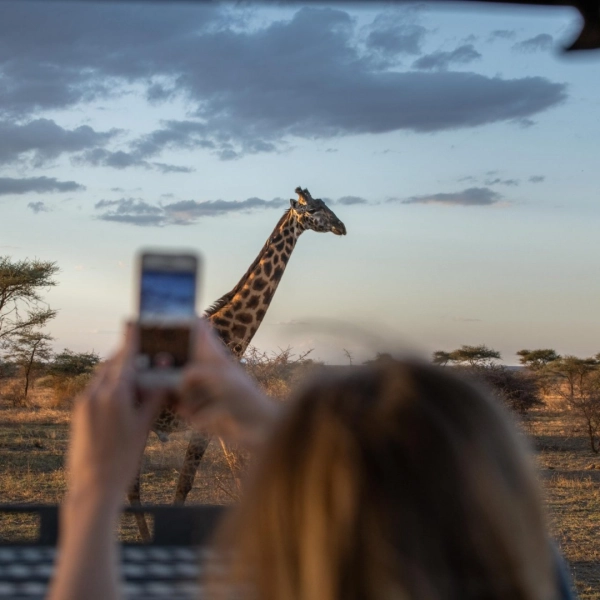
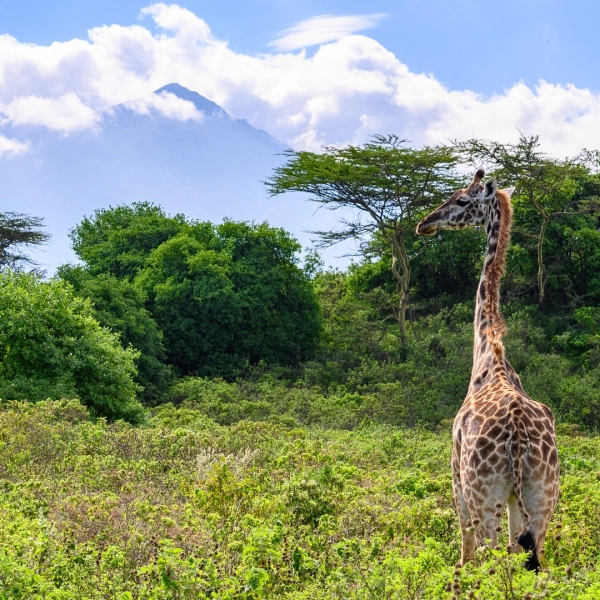
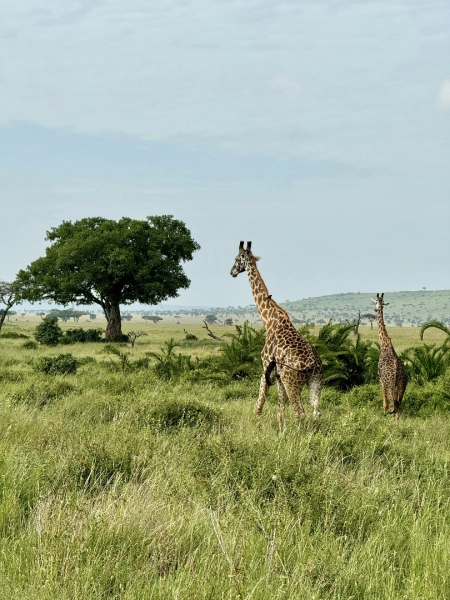
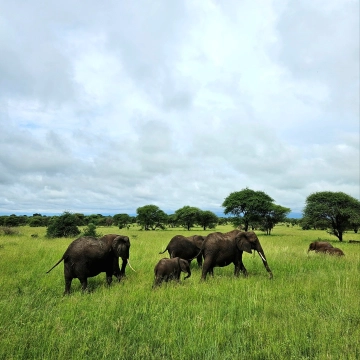
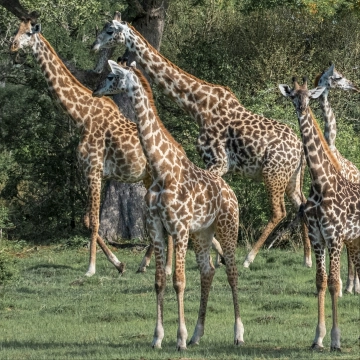
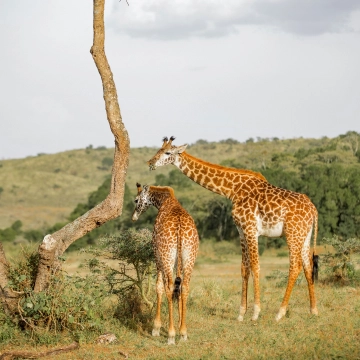
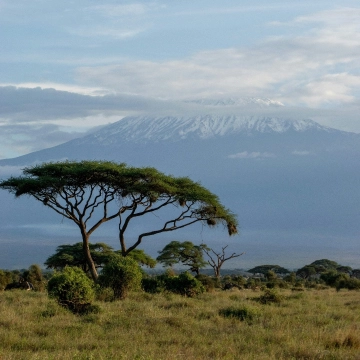
Perhaps today you'll spot a lion family in the shade of an acacia tree. Maybe you'll observe a herd of elephants at a watering hole. Or a giraffe might cross your path right in front of the vehicle.
It's this unpredictability that adds to the special allure of a safari.
Many first-time safari-goers expect long drives and a very strenuous daily routine.
However, after the first few days, we often hear something entirely different.
A safari doesn't mean being on the go from dawn to dusk. There is plenty of time between animal sightings to enjoy, photograph, and relax. The mix of adventure and comfort is often much more balanced than many anticipate before their journey.
As midday approaches, the savannah heats up.
Many animals retreat to the shade at this time. It also provides the perfect opportunity for a break.
Depending on the route, you'll enjoy your lunch at a lodge, a tented camp, or at a designated picnic spot in the national park.
Now is the time to reflect on the morning's experiences, look at photos, or simply savor the special atmosphere of Africa.
As temperatures begin to drop, many animals enter their active phase of the day once again.
For our guides, the afternoon hours are often the most exciting times. The light becomes softer, the landscape glows in warm colors, and the chances of special sightings increase once more.
You might spot a cheetah on the prowl for prey or observe an elephant family making their way to the watering hole together.
Each game drive tells its own story.
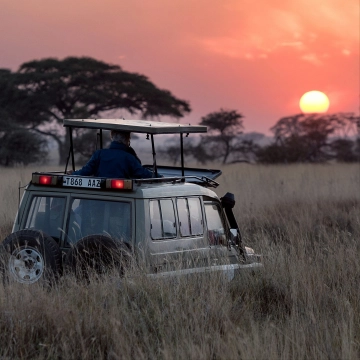
Few images represent Africa as much as a sunset in the savannah.
The sky turns orange, red, and violet as the last animals of the day move through the landscape.
Once you've experienced this moment, you'll quickly understand why many travelers are captivated by the African magic on their first safari.
After an eventful day, you return to your camp or lodge.
During dinner, the best animal sightings are discussed once more. Often, engaging conversations with other travelers ensue, while the sounds of the African night fill the background.
And if the sky is clear, the next highlight awaits:
A starry sky like many people in Europe rarely experience anymore.
For years, we have been accompanying travelers on their first safari through Tanzania at Sunrise Expedition.
And although each journey unfolds differently, we often hear the same phrase at the end:
"It was even more impressive than I had imagined."
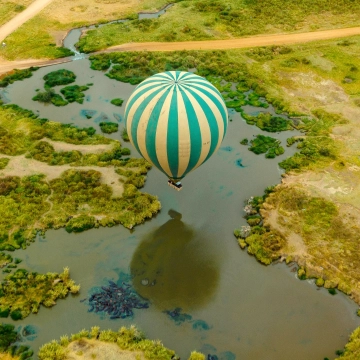
No two safari days are the same. Sometimes a lion family takes center stage, other times a huge herd of elephants or a spectacular sunset over the Serengeti.
It's this mix of excitement, tranquility, and nature experience that makes a safari in Tanzania so special.
If you're planning your first safari and have questions about routes, travel times, or national parks, we're happy to advise you personally. After all, there's nothing more beautiful than experiencing Africa for the first time with your own eyes.
A single game drive usually lasts between two and four hours. There is enough time for breaks, meals, and relaxing moments at your lodge or camp in between.
Most travelers find a safari much more relaxing than expected. While the day often starts early, it alternates between exciting animal sightings, leisurely drives, and plenty of rest periods.
Often closer than you might think. Elephants, giraffes, zebras, or antelopes move freely through the national parks and regularly pass just a few meters away from the vehicle. The guides always prioritize the safety of both humans and animals.
Yes. The national parks have official rest and picnic areas with toilets. Your guide plans the day's route accordingly, allowing for regular stops.
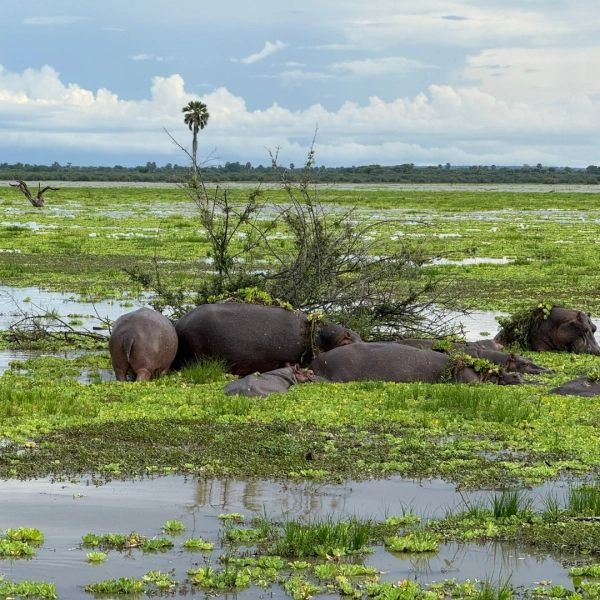
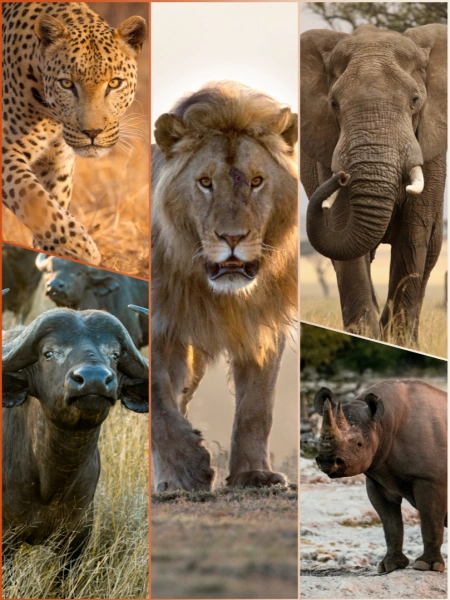
Tanzania is one of the best safari destinations in the world. With some luck, you can observe lions, elephants, leopards, buffaloes, rhinos, giraffes, zebras, cheetahs, hippos, and many other animal species.
No. A safari day is not just about game drives. There are breakfast and lunch breaks, time to relax at the accommodation, and ample opportunities to enjoy the landscape in peace.
Absolutely. Modern smartphones are excellent for landscape shots and capturing animals near the vehicle. For more distant animals, a camera with zoom can provide additional options.
Yes, especially so. Many of our guests are traveling to Africa for the first time. With good organization, experienced guides, and carefully selected accommodations, a safari in Tanzania is easily manageable even without prior safari experience.
No, binoculars will be provided to you.
No, you will be provided with food and drinks throughout the day by our guides.
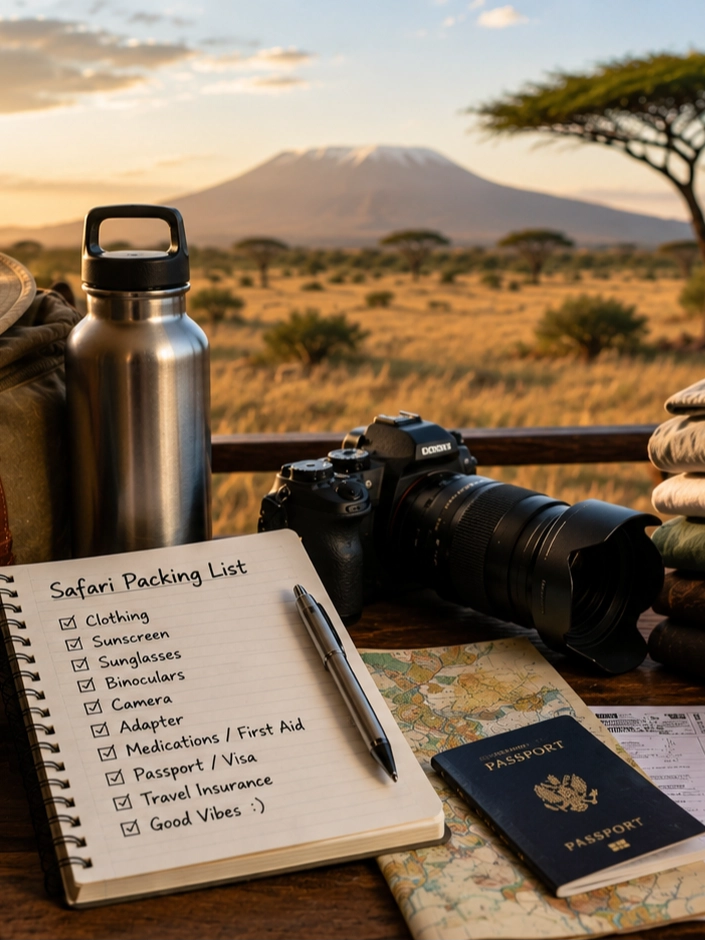
Please make sure to bring sufficient sun protection in the form of sunscreen, appropriate clothing, and sunglasses. We also recommend using mosquito repellent (No-Bite). Don’t forget to bring your camera and the necessary accessories so you can capture all wildlife sightings perfectly!
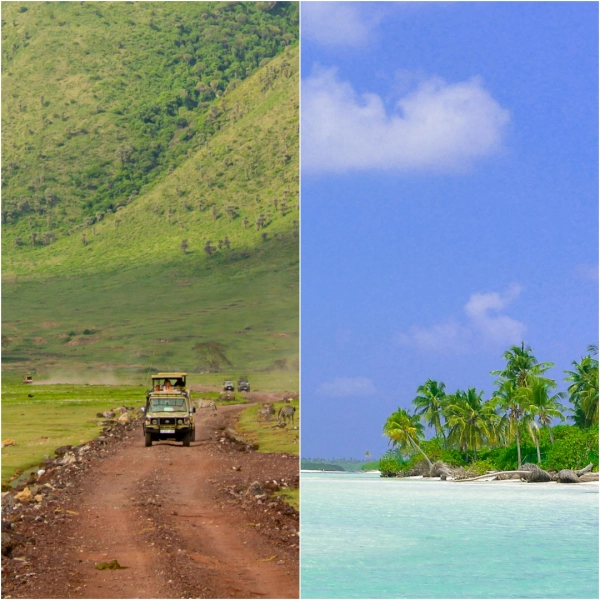
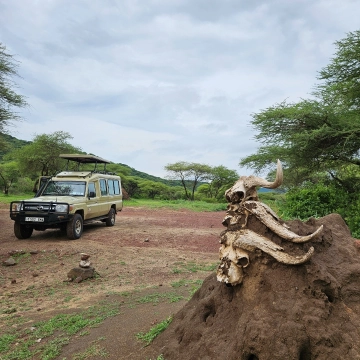
It depends on whether you have booked a private or a group safari. On average, safari jeeps have space for 4–7 people and feature a pop-up roof to allow optimal wildlife viewing from all directions.