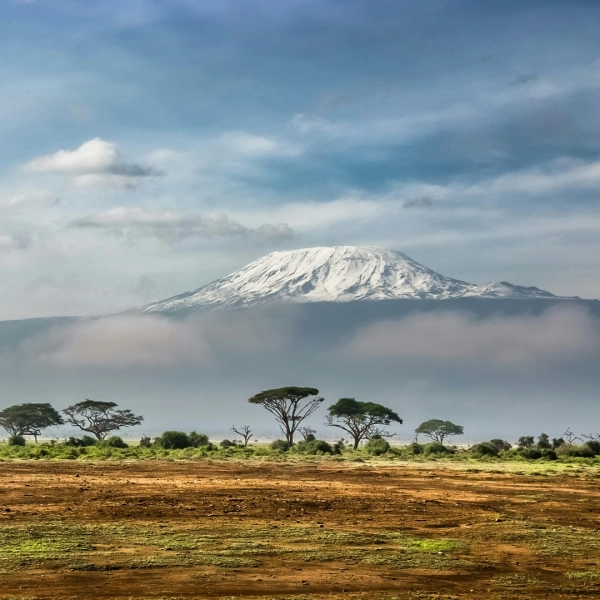
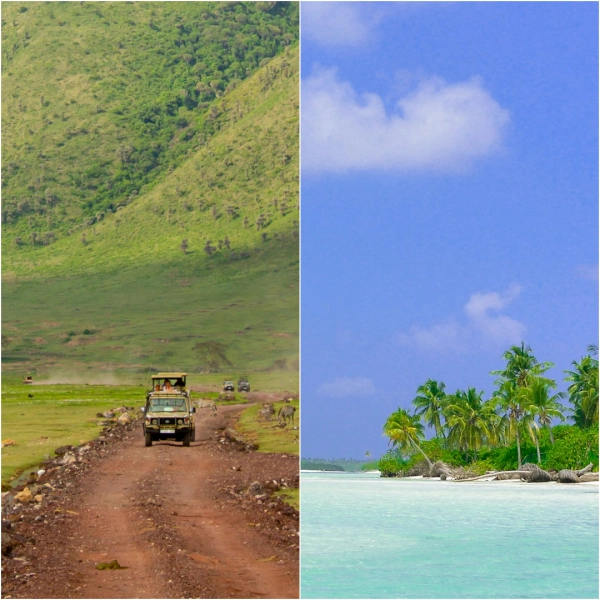
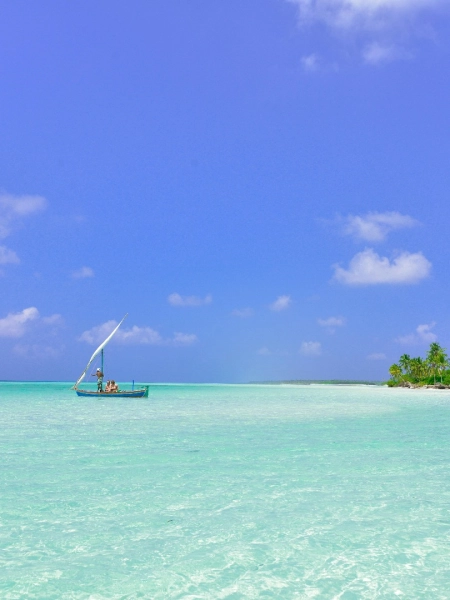
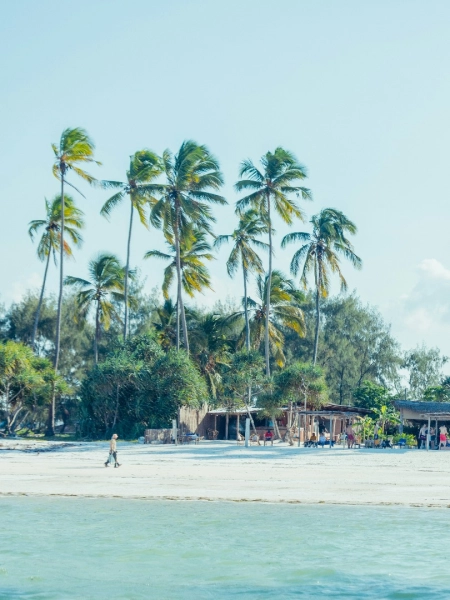
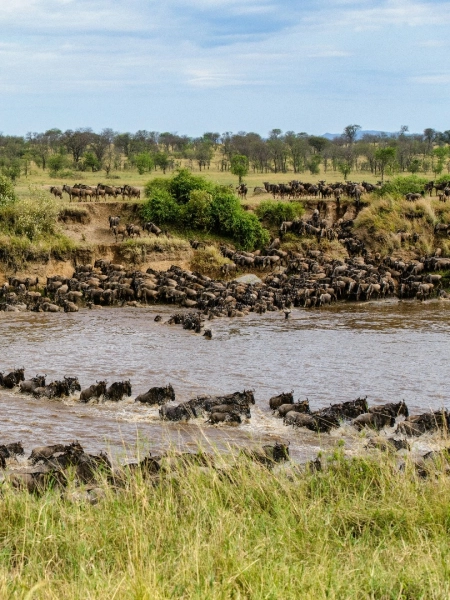
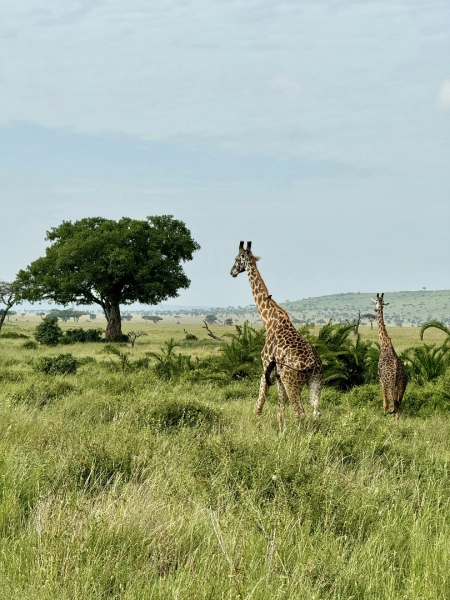
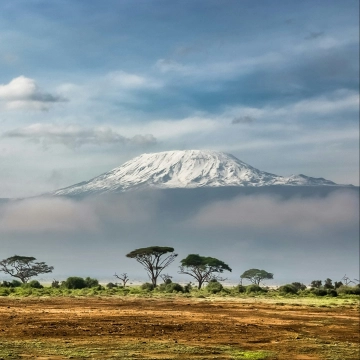
When you think of Tanzania, you probably first imagine lions in the Serengeti, the snow-capped peak of Kilimanjaro, or white beaches in Zanzibar. But at the latest after the first day, you realize: This country tastes just as exciting as it looks. Tanzanian cuisine is down-to-earth, honest, and surprisingly diverse – influenced by African staple foods, Arabic spices, and Indian curries that have been coming to the Swahili coast across the Indian Ocean for centuries. Here you will find out which dishes you should definitely try and where they taste best.
Ugali is the heart of Tanzanian cuisine. The firm porridge made from maize flour and hot water – sometimes also from cassava, millet, or sorghum – is served almost daily. Ugali has hardly any taste of its own, and that's the point: it perfectly absorbs sauces, beans, and vegetables. It is eaten with the right hand – you shape a small ball, press a hollow with your thumb, and pick up the food with it.
Rice is the second major staple. On the coast and in Zanzibar, it is often cooked as Wali wa nazi in coconut milk – slightly sweet, creamy, and the perfect partner for curries. Wali na maharage, rice with beans, is the classic everyday dish and is rarely missing at weddings or family gatherings. A little language tip: "Wali" means cooked rice, "nazi" is the coconut.
Around Mount Kilimanjaro, much revolves around the banana. "Ndizi" is what they are called in Swahili, usually referring to plantains. For the Chagga people living on the fertile slopes of the mountain, they have been a staple for generations. Be sure to try Mtori, a creamy soup made from green bananas and beef, or Ndizi kaanga – fried plantains as a side dish.
If a menu lists "mchuzi," you will get something with sauce – from a simple stew to a flavorful curry. Mchuzi wa samaki, the fish curry, tastes a little different everywhere. At Lake Victoria, tilapia or Nile perch are cooked, while on the coast, fresh fish from the Indian Ocean is prepared, enhanced with tomatoes, onions, coconut, and often a splash of lime.
Kuku paka shows how many cultures are in one dish. The chicken – "kuku" in Swahili – is first grilled over charcoal and then simmered in a creamy coconut curry sauce. African, Arabic, and Indian influences come together here, typical of the Swahili coast. Simpler but equally popular is Kuku wa mchuzi, a chicken stew with tomatoes, carrots, and ginger, served with Ugali or rice.
Vegetables are always present. Sukuma wiki, sautéed leafy greens with tomatoes and onions, is affordable, healthy, and a classic alongside Ugali. The name roughly translates to "stretch the week" – because it helps you make it to the weekend even on a tight budget. Also on the table are Mchuzi wa biringani, a spicy eggplant dish, and Mchemsho, which simply means "cooked": a hearty stew with meat or fish, potatoes or plantains, and plenty of vegetables.
Nyama choma is more than a dish – it's a meeting point. Translated as "grilled meat," usually goat, sometimes beef or chicken. It is lightly seasoned, slowly cooked over charcoal, and served with salt, chili, and kachumbari, a fresh tomato-onion salad. It tastes best in the evening, shared with friends and a cold Kilimanjaro beer.
As night falls, the time for food stalls begins. Mshikaki are marinated beef skewers with ginger, lime, and chili, found on almost every street corner. Equally popular are Chipsi mayai, fries fried in a pan with beaten egg to form a kind of omelet – simple, filling, and a favorite throughout Tanzania.
On Zanzibar, the famous Zanzibar Pizza awaits. It has little to do with pizza: a thin dough is filled with minced meat, onions, egg, and spices, folded into a parcel, and crisply fried on the hot plate. The best place to find it is in the evenings at Forodhani Gardens in Stone Town, where the night market is set up right by the sea. And for a quick snack, there are Mandazi – small, slightly sweet doughnuts that many Tanzanians prefer to eat with tea in the morning.
Your culinary journey usually begins in Arusha or Moshi, where you can try Ugali, Wali na maharage, and Nyama choma in simple local restaurants. On the way to Lake Manyara and the Ngorongoro Crater lies Mto wa Mbu, a vibrant place among banana plantations where you can also get to know the local cuisine on a village walk. Safari lodges usually serve a mix of international and Tanzanian dishes, often as a lunchbox in the middle of the park. To conclude, spices, fresh fish, and the night market of Stone Town in Zanzibar will introduce you to the flavors of the Swahili coast.
A few small tips: Eat like the locals with your right hand, dare to try street food where it's busy and freshly grilled, and only drink water from sealed bottles. And if someone invites you to the table with "Karibu chakula" – meaning "Come, eat with us" – just say yes.
"Safari" simply means "journey" in Swahili.
And every good journey includes a full plate.
At African Sunrise Expedition, we plan your Tanzania journey individually and step by step – with safari, mountain tours, or beach days in Zanzibar, just as you wish. Our experienced team on the ground around Kilimanjaro not only knows the best spots for wildlife viewing but also the street food stalls with the best Nyama choma. And you have the security of an Austrian contact person – from the initial idea to the return journey. Tell us what you're in the mood for – we'll make sure your journey to Tanzania tastes good.